Why Kids Forget a Book Right After Reading It Fast
Your child reads a lot, but ask about the story a few days later and it's a blank. Reading fast makes it feel like you understood, so little of it sticks. Here's how to help a child remember what they read, without nagging.
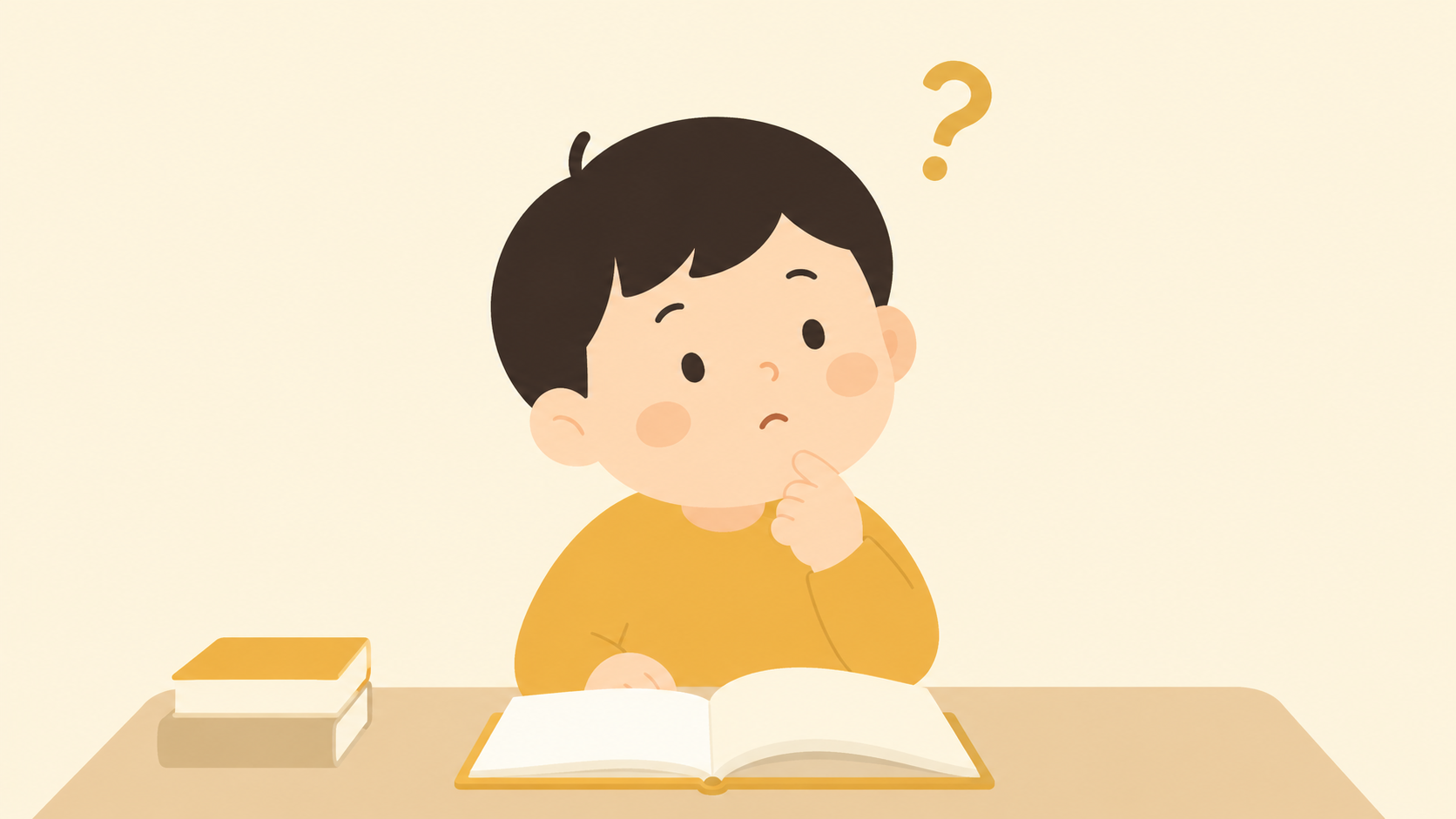
Your child reads plenty of books. But ask a few days later what one was about, and you get "Um, the thing with the…" and then a blank. They clearly read it, so why does it slip away so fast? This happens more often with kids who read quickly, and it isn't because they weren't paying attention.
There's a surprisingly simple reason a book doesn't stay with them. Reading fast and remembering are two different things.
Reading fast makes it feel like you understood
When text flows easily, we feel like we understood all of it. But that smooth feeling and actually understanding and remembering are not the same thing. A fast reader turns pages so easily that it's natural to think "I know this already."
Ask about the details, though, and the plot has gaps in it. That smooth feeling creates a kind of illusion, one that's well documented in psychology. For how the literacy underneath reading actually develops, see how literacy grows in elementary years.
So they forget it even faster afterward
Something that went in shallow can't stay long. The less deeply it was encoded, the faster it leaks back out. That's why "reads a lot but nothing sticks" keeps repeating. Piling up titles and building up memory are two different stories.
❌ Only chasing volume
The count grows, but the story doesn't stay
✅ Reading to keep it
One quick recall right after, and the book sticks
Nagging doesn't help here. "You didn't really read it, did you?" only pushes a child away from books. A fast reading habit isn't the problem. It just needs one more small thing added to it.
Check gently, without making it a test
Having your child recall the story right after reading surfaces the parts that slipped by. In that moment of recalling, they naturally go back and chew on the book a little more slowly. That one small pass is what holds the memory in place.
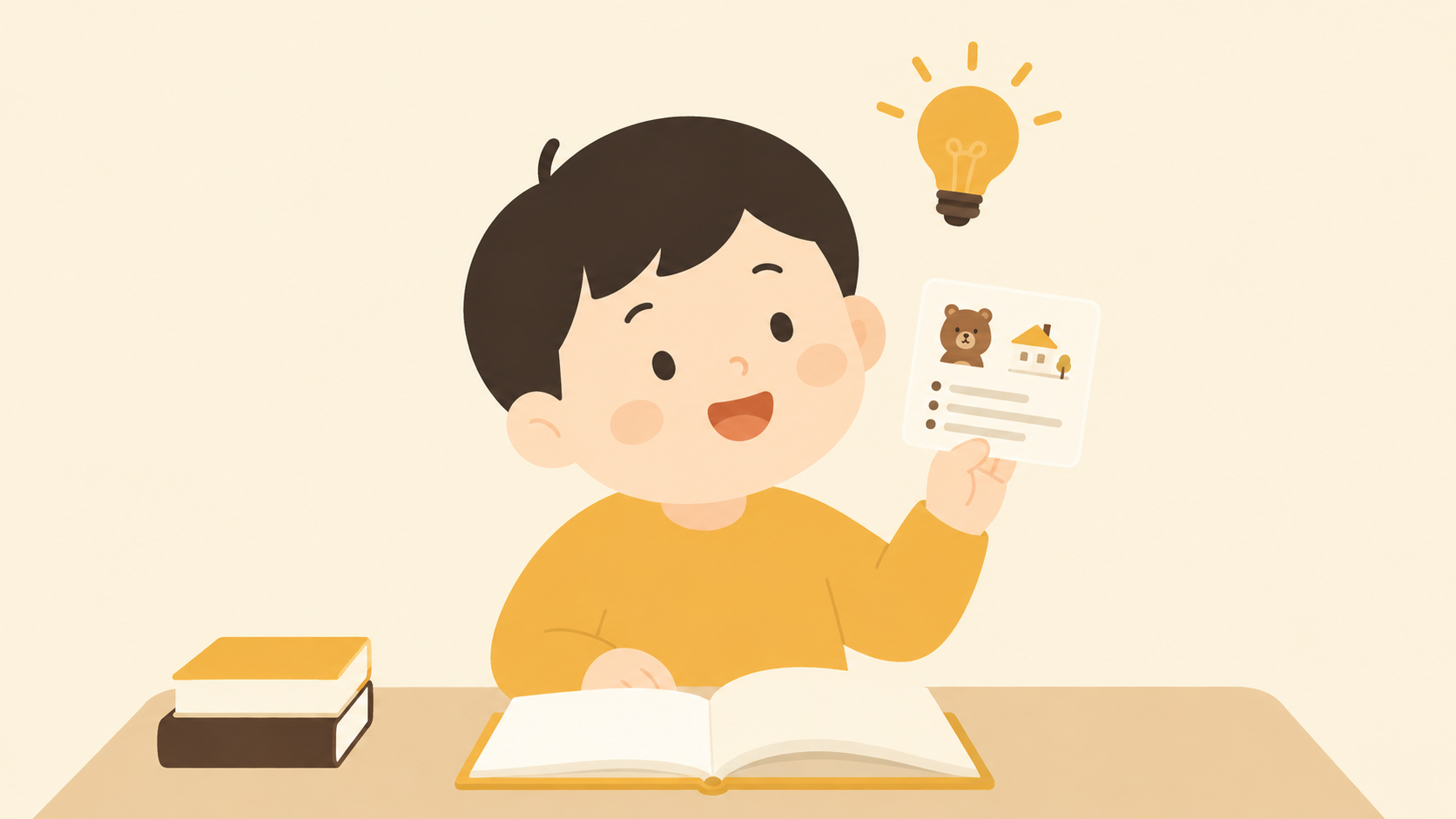
With BeeLit, you search a book and get a quiz. Your child types in the title of what they read, and a quiz for that book appears. If they sped past something, they catch themselves wondering "wait, what was that?" and go back to look. A book they recalled once like that doesn't fade so easily.
For keeping the check from feeling like a test, see how to check reading without making it a chore, and for why recalling helps memory, see why a reading quiz helps kids remember more.
Wrapping up
Reading fast is a good start. Add just one habit, recalling what they read once, and books that used to slip away begin to stay. BeeLit lets your child check a book lightly and keep it as a record in their library, so the slow chewing keeps going without any pressure.