
How to Check Your Child's Reading Without Making It a Chore
Your child reads, but did they get it? When checking feels like a test, kids avoid books. Here's how to confirm comprehension without reading each book yourself.
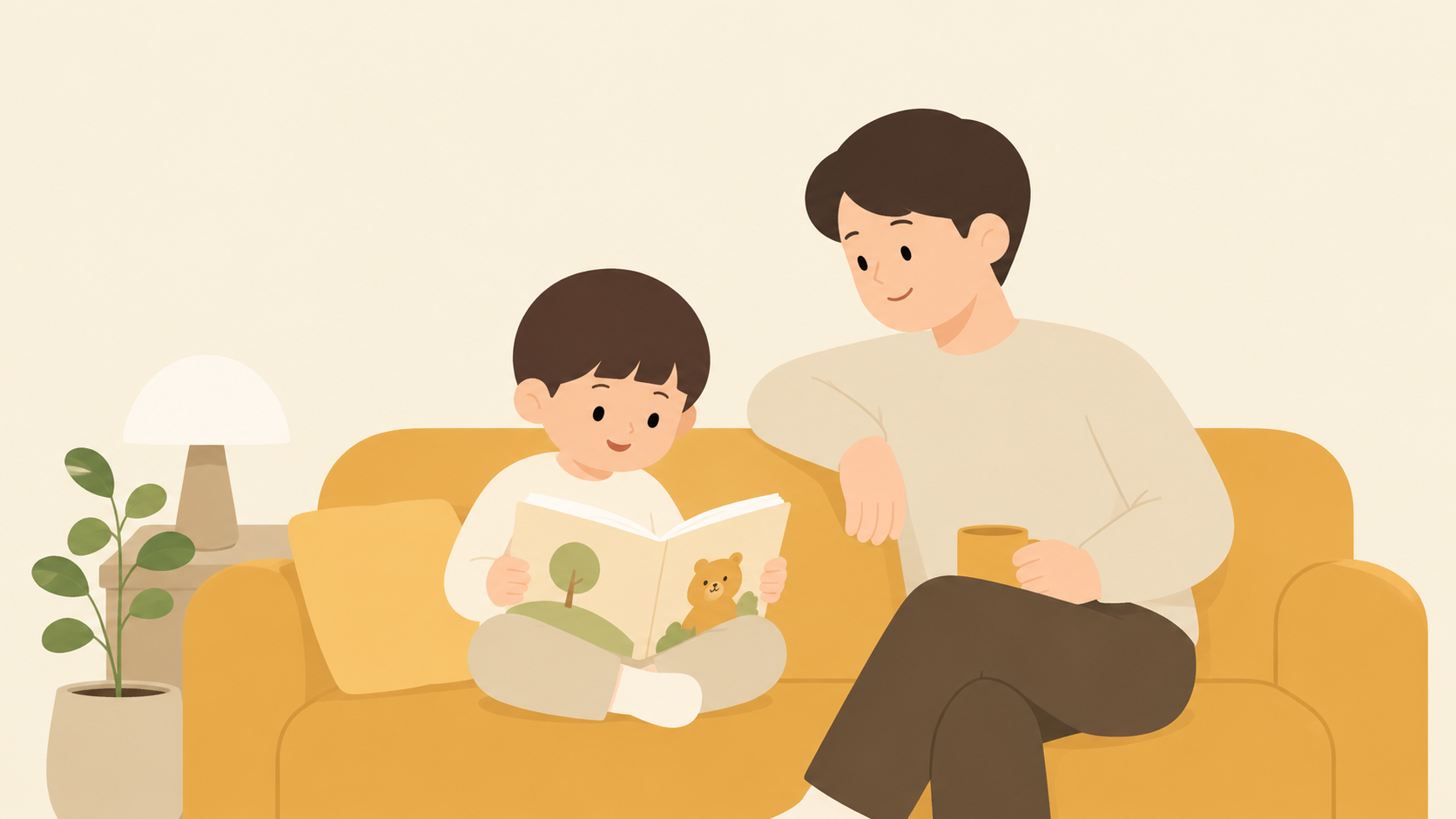
"I finished it!" your child says. But ask what the story was about and you get "Um, I don't know." The pages turn fast, yet you can't tell whether any of it stuck. If that sounds familiar, you are far from alone. The more a child loves reading, the more often this question comes up.
So you start asking, book after book, just to be sure. And somehow the child begins to pull away from reading. The moment a check becomes a test, something that used to be fun turns into homework.
When checking feels like a test, it backfires
When you quiz a child like an exam, "What was this book about? Why did the main character do that?", reading starts to feel like being graded every single time. Soon, opening a book itself feels like pressure.
Research on motivation suggests people stick with an activity longer when they feel they chose it and pulled it off themselves. The opposite is also true: when they feel monitored, interest fades quickly. Reading works the same way for kids. Confirming that they understood matters, but it should never feel like an interrogation.
❌ Like a test
"Tell me the whole plot, or you'll read it again."
✅ Like a game
"Want to try a quick quiz on this book? Let's see your score."
One parent put it well. When she asked directly, her child felt it was homework. When the child answered a quiz on an app instead, it felt like a game. Same check, different shape, and the child's reaction flipped.
You don't have to read the book first
The other thing that makes checking hard is the burden on parents. To do it properly, it feels like you'd have to read each book first and come up with questions. With the stack of books a child goes through, that just isn't realistic.
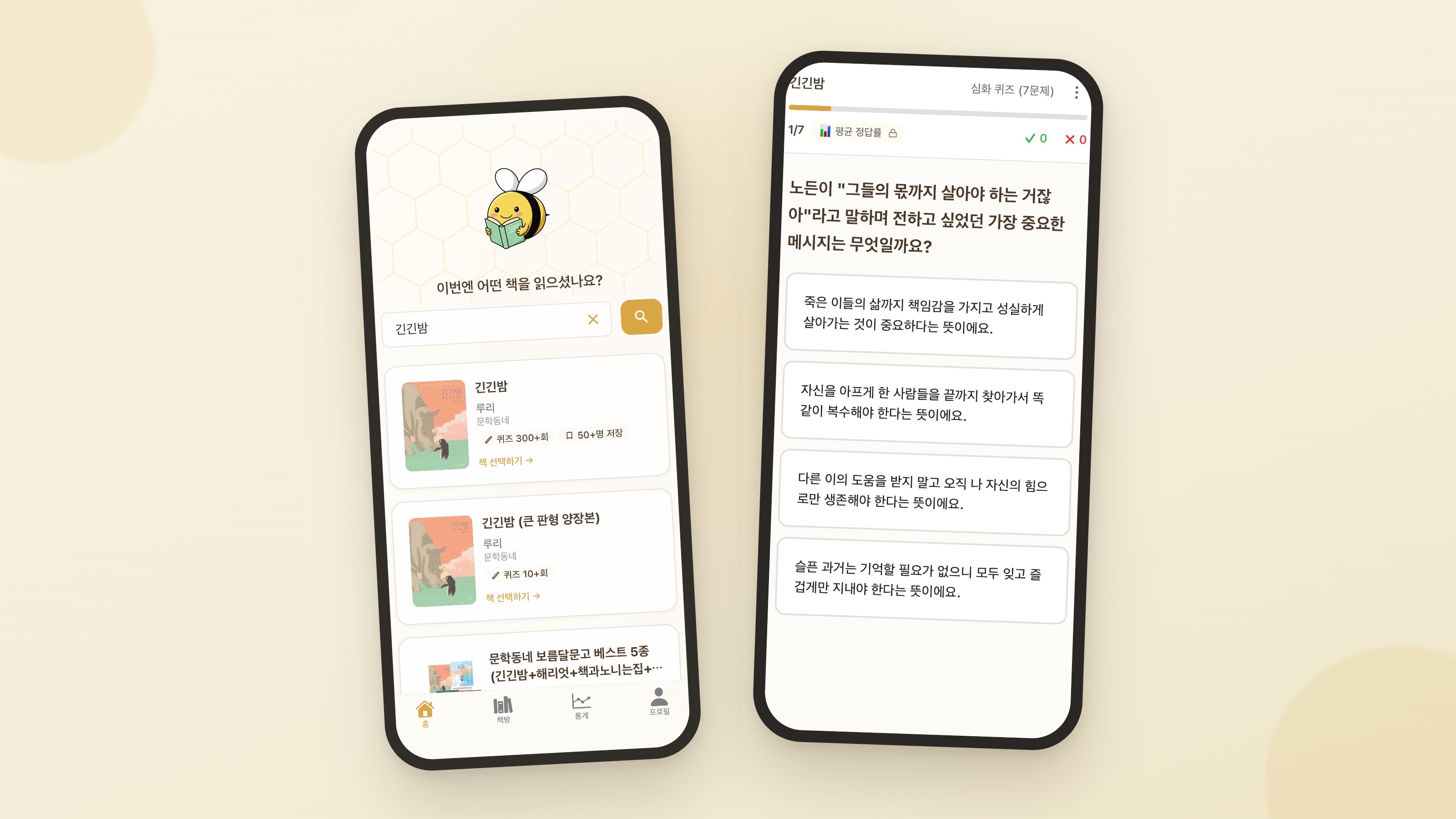
With BeeLit, you search a book and get a quiz. Your child types in the title of what they read, and a quiz for that book appears. You don't need to know the contents yourself, because the result shows how much your child understood. No more making up questions, so the daily routine gets a lot lighter.
If checking comprehension after an English read already feels natural to your family, you can bring the exact same flow to reading in any language.
Keep it light, and let them feel the win
The shorter the check, the better. A few questions per book, done in a couple of minutes. It doesn't have to be daily. Once after a library trip or before bed is plenty.
Kept light like this, what stays with the child is a small sense of "I know this book!" That feeling of having done it themselves becomes confidence, and confidence is what reaches for the next book. The point is to end on the feeling of accomplishment, not evaluation.
A child who only managed a one-word reaction often turns out to know the plot and characters quite well once they answer a quiz. They were reading carefully all along, just short on words for it. Seeing that, you look at your child a little differently.
Wrapping up
Checking whether they read isn't about pressing your child. It's about helping them gently pull back out what they took in. With BeeLit, every book you search and quiz on stacks up in their library, so each check leaves a record behind. You might also like why a reading quiz helps kids remember more.